Pricing isn't math; it's psychology. Learn the anchoring techniques and positioning secrets that allow agencies to charge 10x more.
 Marku Leone · Founder, donebyverde · South Florida
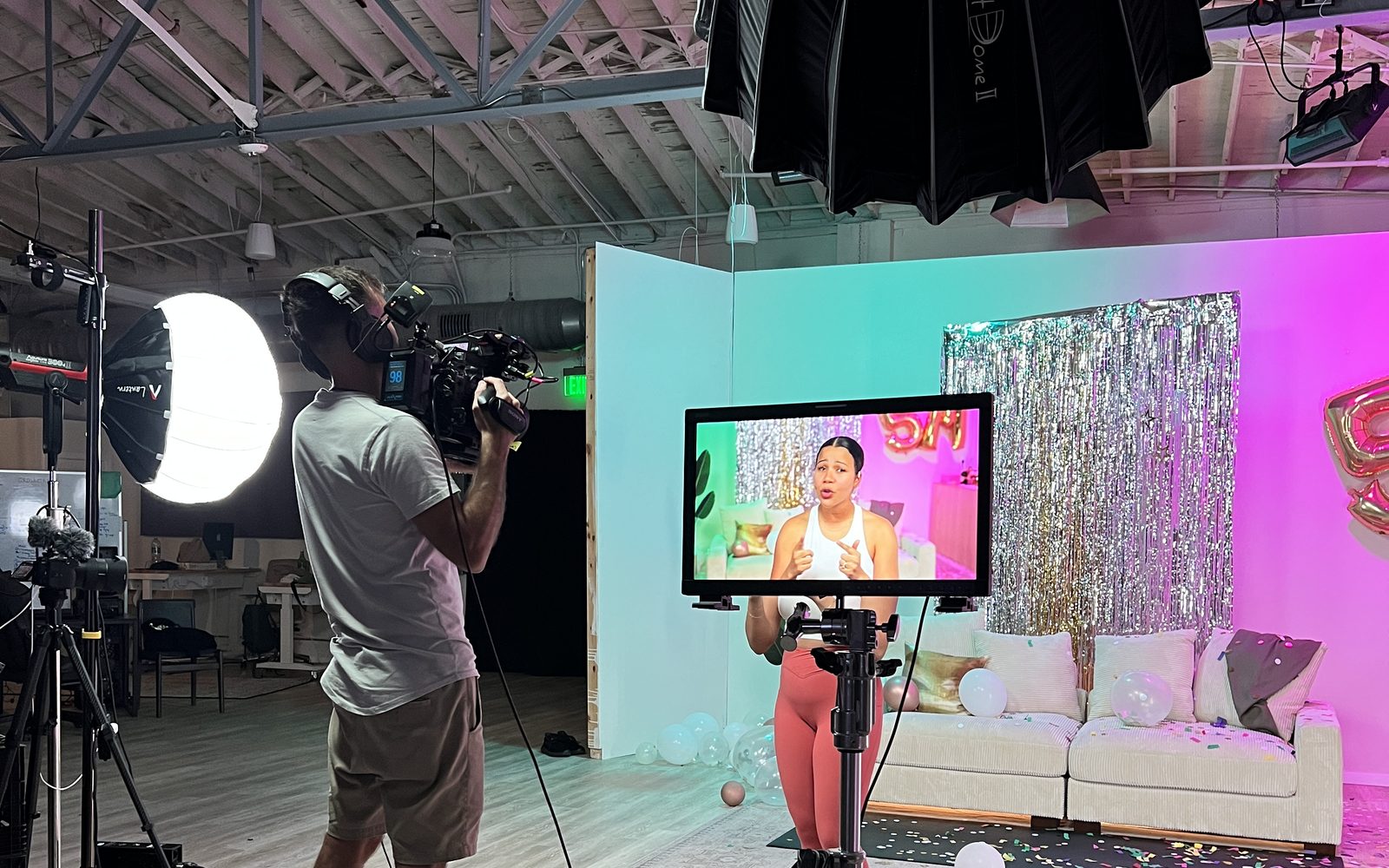
Product staging from the Riega Snacks build. Presentation is pricing.
This is a mistake.
Your clients don't care how long it takes you. In fact, if you're an expert, you should be faster. Why punish yourself for proficiency?
Clients pay for value, not time. And value is a perception game.
Never present a single price. It forces a "Yes/No" decision. Instead, present three options. It forces a "Which one?" decision.
The result: Most people choose Option B. If you had only offered Option B alone, it would have felt expensive. Next to Option C? It's a steal.
The first number mentioned in a negotiation sets the "Anchor."
If you walk into a Rolex store and see a $50,000 watch, the $8,000 watch next to it seems reasonable.
How to use it: In your sales deck, show the "Total Value" of everything you're providing (e.g., $10,000 worth of strategy, design, and assets) before you reveal your investment price ($3,000).
You aren't charging $3,000. You are giving a $7,000 discount.
Which looks more calculated and trustworthy?
Round numbers ($2,000) feel made up. They signal "I pulled this out of thin air." Specific numbers ($2,150) signal precision. They imply a calculated cost structure.
(Note: The exception is luxury. High-end fashion uses round numbers because they don't need to justify the cost. If you are ultra-premium, stick to round numbers.)
[[PRICING_TIER_EXAMPLE]]
Language shapes reality.
Stop saying: "The cost for the website is $5,000." Start saying: "The investment to upgrade your client acquisition engine is $5,000."
Price is a measure of risk.
If you want to charge more, lower their risk.
"If we don't increase your leads by 20% in 90 days, we work for free until we do."
Suddenly, a $10,000 fee feels safe because the downside is capped.
Pricing is the strongest lever in your business. A 10% increase in price goes directly to your bottom line.
Stop charging for your time. Start charging for the transformation.
Need help packaging your offers? Let's review your pricing strategy.
Founder of donebyverde, a studio in South Florida. We build the site, shoot the content, and wire the follow up that answers first, for service businesses across South Florida. This article is how we actually work.
Talk it throughReal partnerships start with one strategy call.
Get It Done