Voice search has changed the game. Learn why 'near me' is dead and how to optimize for the conversational queries that drive urgent, high-value leads.
 Marku Leone · Founder, donebyverde · South Florida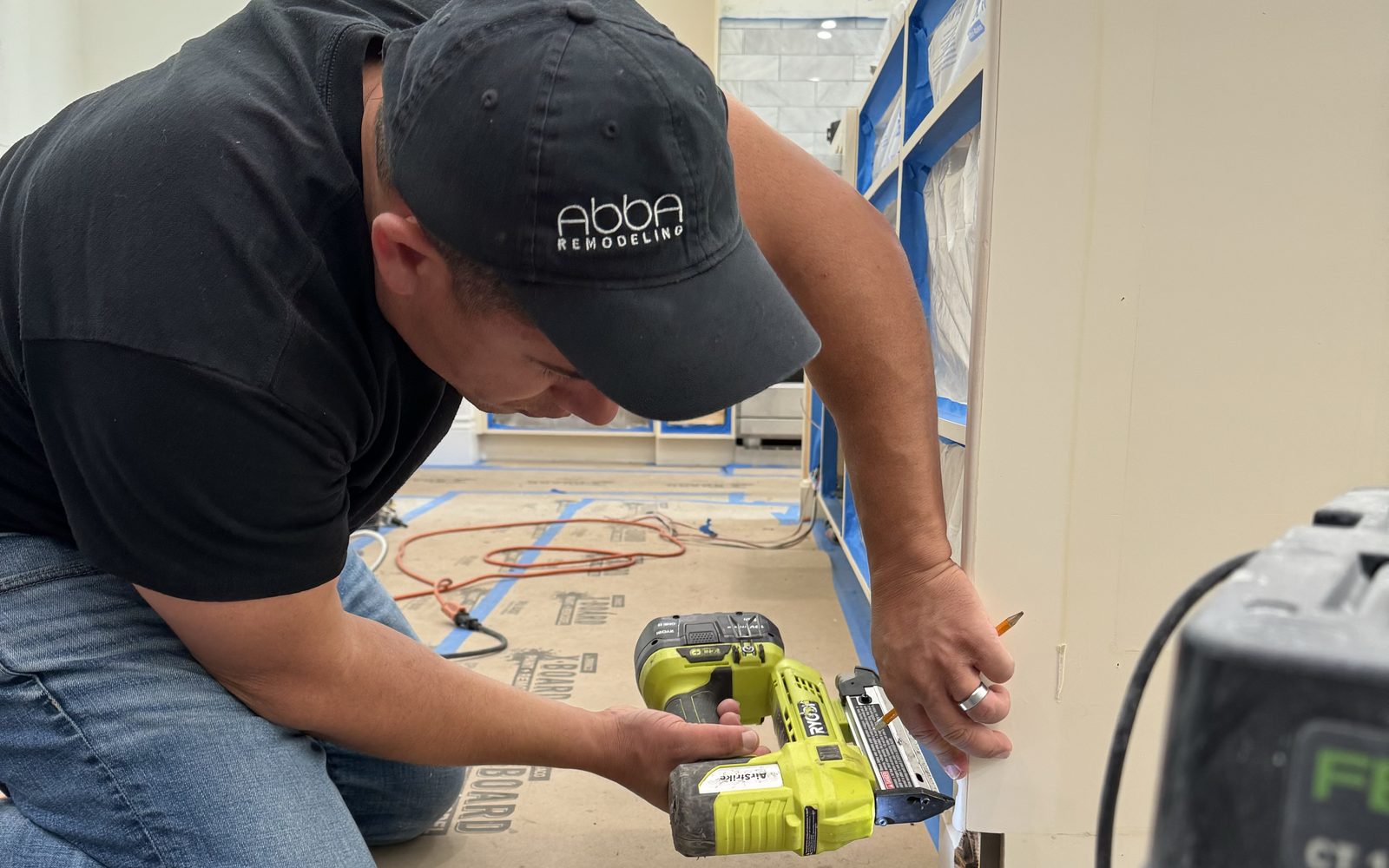
On site with Abba Remodeling. The trades this article is written for.
Voice search has moved from novelty to necessity. More than 1 billion voice searches happen every month, and 71% of internet users prefer voice over typing. For service-based businesses like roofing and consulting, this shift represents a massive opportunity, if you're positioned correctly.
The problem? Most roofers and consultants are still optimizing for typed searches. They're missing the leads that come through "Hey Siri, who's the best roofer for slate repair near me?" instead of just "roofer near me."
This is where voice search SEO separates the thriving service businesses from the struggling ones.
Voice search queries are fundamentally different from text searches. Users speak in complete sentences, averaging 29 words per query, rather than typing short phrases. They ask questions. They include context. And critically, they expect one definitive answer, not ten options to browse.
For roofers, this means someone calling out "What's the best emergency roofer in Denver?" while their roof is actively leaking. For consultants, it means decision-makers asking "Who specializes in supply chain optimization for manufacturing?" while researching solutions.
The speed factor matters too. Voice search results load in 4.6 seconds on average, 52% faster than regular web pages. Users want answers now. If your site takes 8 seconds to load, you won't be read aloud, regardless of content quality.
Voice Shopping Growth. Market size projection (Billions USD)
Explosive Trajectory
Voice commerce is expected to grow by over 1,000% in just 5 years. If you aren't optimized for this, you are missing the fastest-growing segment of local search.
The data is clear: Voice commerce isn't coming; it's here.
58% of voice searches are for local businesses. This isn't coincidence, it's behavior. People use voice when they need something urgently or while mobile. A roof emergency doesn't wait for desktop research. A business owner doesn't pull up a laptop to find a consultant while commuting.
For roofers especially, local voice search is a revenue channel. 28% of consumers end up calling the business they find via voice search.
"Near me" isn't enough anymore. Algorithms are smarter. They look for context, relevance, and authority.
Here is the 3-step framework to dominate voice results:
Is Your Business Voice-Ready?
The 3 Pillars of Voice Optimization
Complete all steps to unlock Voice Search dominance.
Voice assistants read the Featured Snippet (the box at the top of Google). To get there, you need to answer specific questions directly.
Stop stuffing keywords. Start writing how people talk.
Your GMB profile IS your homepage for voice search. Ensure your categories, hours, and services are meticulous.
Focus on "emergency," "repair," and "leak" keywords.
Focus on "specialist," "expert," and niche-specific problems.
We don't just put keywords on a page. We build Authority Hubs.
Instead of a generic FAQ page, we create detailed, schema-marked answers to the top 50 questions your customers actually ask.
Example for a Consultant: Q: "What is the ROI of hiring a fractional CFO?" A: "A fractional CFO typically delivers a 3-5x ROI within the first 6 months by optimizing cash flow, reducing tax liability, and securing better financing terms."
We code this with structured data so Google 100% understands it's an answer, increasing the chance Siri reads your brand's name.
The businesses winning local leads right now are the ones owning position zero.
The opportunity is massive because most service businesses haven't adapted.
Book a strategy call and let's optimize your digital presence for the way your customers are actually searching in 2026.
Founder of donebyverde, a studio in South Florida. We build the site, shoot the content, and wire the follow up that answers first, for service businesses across South Florida. This article is how we actually work.
Talk it throughReal partnerships start with one strategy call.
Get It Done